
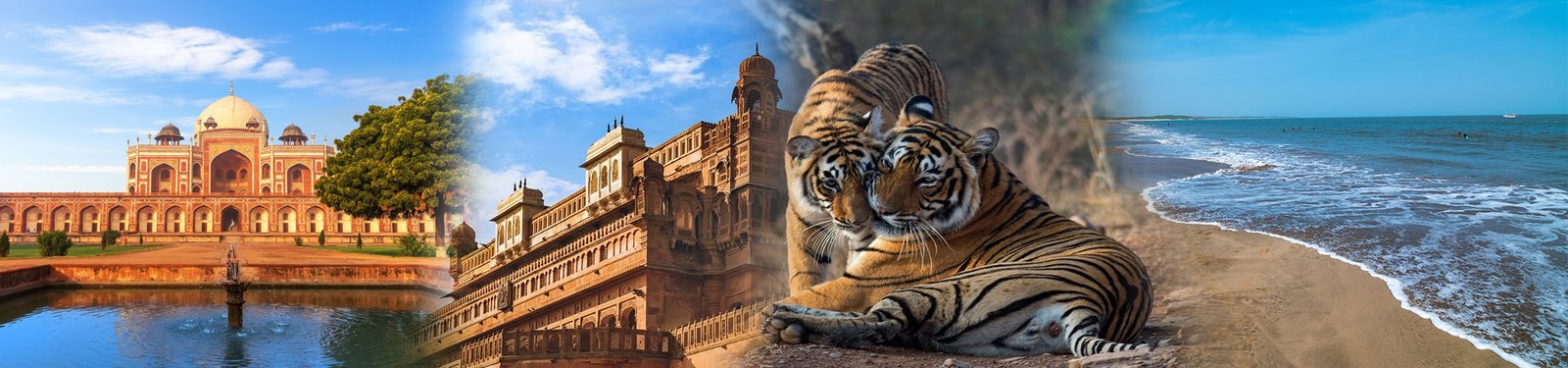
Gujarat and Rajasthan Tour Package – 22 Days
Experience an Untouched Corner of Incredible India
• Namaste India24
22 Days
Duration€2,750.00
From / ppMax 5-15
Group SizePrivate
A/C CoachDiscover Gujarat — India’s most surprising state. Our gujarat and rajasthan tour packages take you from the blue lakes of Udaipur to the white deserts of Kutch. You will see the last Asiatic lions in Gir, ancient stepwells, Jain temples, and Portuguese-style beach towns near vibrant Ahmedabad.
These holiday packages for gujarat and rajasthan uncover hidden craftsmanship, changing landscapes, and tribal traditions. This journey offers a deeper, real India far from the usual tourist spots, where culture and nature meet in ways most travelers never get to experience.
• Route & Map
Rajasthan and Gujarat – 22 Days Route
Travel from Rajasthan’s royal lake city to Gujarat’s deserts, beaches, and cultural heart with our gujarat and rajasthan tour packages. Designed for travelers who want to see it all, our holiday packages for gujarat and rajasthan combine the best of history, wildlife, and tradition in one complete journey.
Route: Delhi → Ranthambore → Pushkar → Jawasiya village → Udaipur → Bajana → Bhuj → Junagarh → Sasan Gir → Diu → Bhavnagar → Ahmedabad
• Travel Description
Day-by-Day Itinerary
Delhi feels familiar yet changed after the journey. Spend the final day relaxing, shopping, or exploring places like Hauz Khas or Lodhi Art District. It’s a day to reflect before departure. After weeks of history, culture, and landscapes, heading home feels surreal. The travel ends, but the perspective and memories remain.
Day 1: Arrival in Delhi
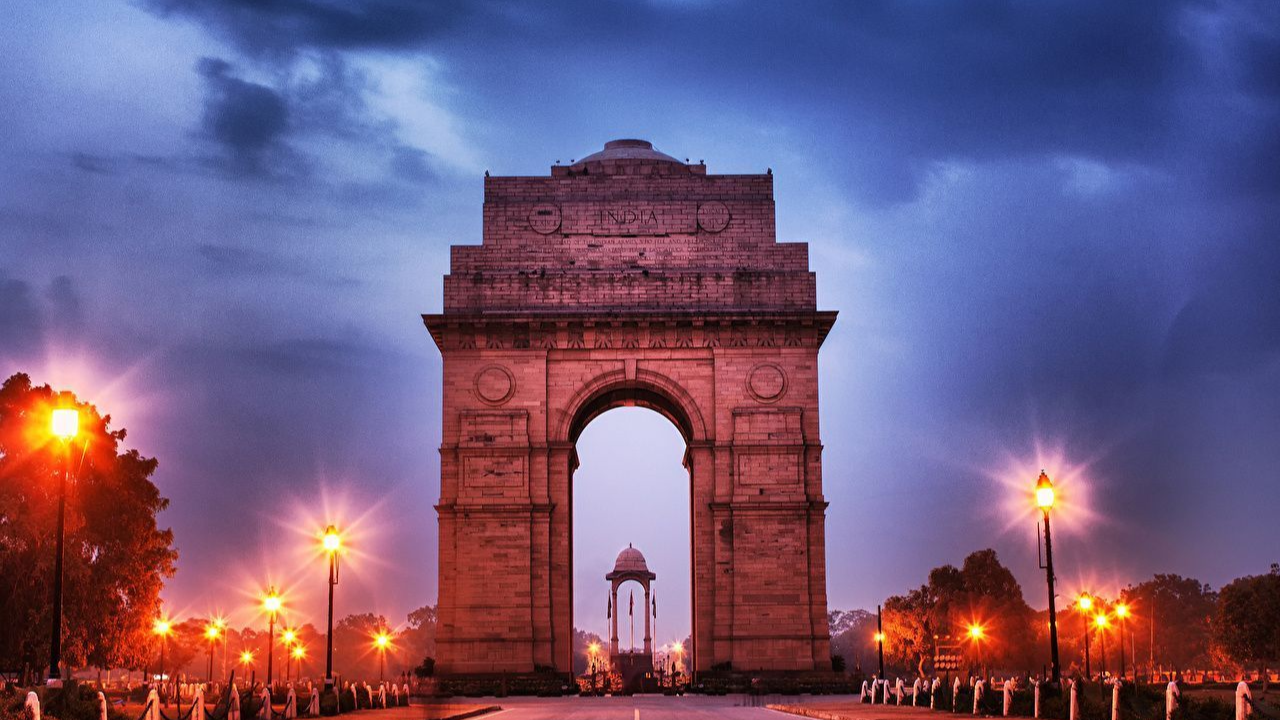
Your adventure begins in the air, giving you space to slow down and shift into travel mode. Landing in Delhi introduces you to a capital full of history, colour, and energy as you settle into the rhythm of India.
Day 2: Exploring the Capital
Delhi blends Mughal heritage, spiritual landmarks, and lively markets. Historic forts, ancient streets, and modern neighbourhoods reveal a city shaped by centuries of culture and community. It’s a bold and meaningful introduction to India’s layered identity.
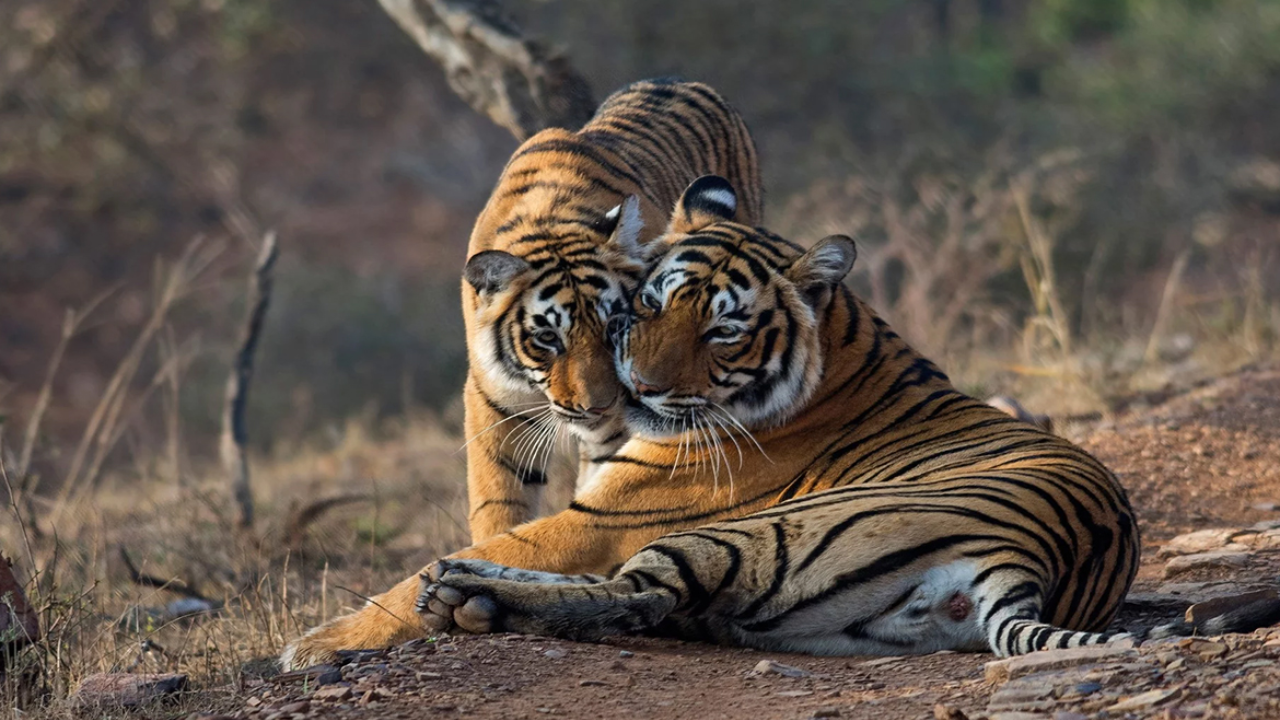
A scenic train ride leads from Delhi to Ranthambore’s forests, lakes, and ancient ruins. Safaris bring deer, birds, and maybe tigers. Over two days, exploring viewpoints, water holes, and jungle tracks reveals the balance between wildlife and habitat. Ranthambore feels adventurous yet calm, combining nature, history, and conservation in a memorable experience.
Day 3: Delhi to Ranthambore
A scenic train ride takes you from the fast pace of Delhi into Ranthambore’s quieter, wilder landscape. Forests, lakes, and ancient ruins set the tone for days focused on nature and wildlife.
Day 4: Safari & Exploration
Morning and evening safaris take you through jungle tracks, water holes, and open grasslands. Deer, birds, and if luck is on your side, tigers make the experience unforgettable. The old fort and rugged terrain add history to the wilderness, creating a balance of calm and adventure.
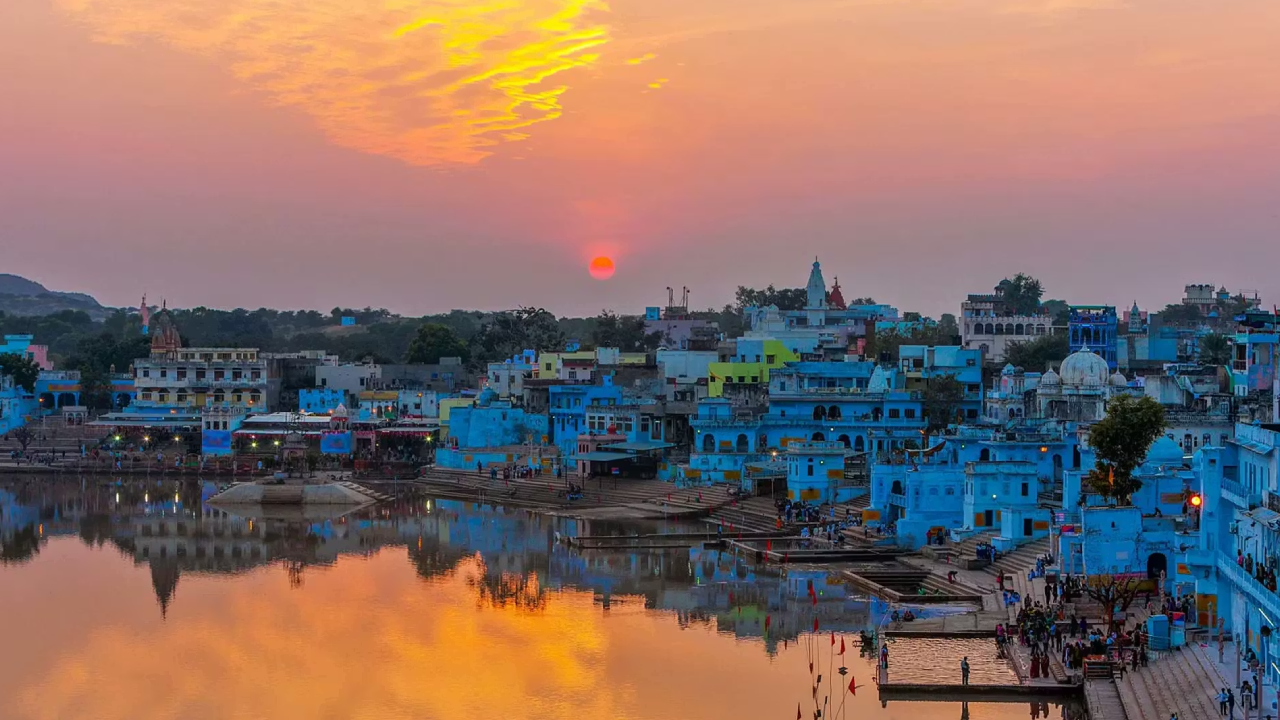
Traveling from Ranthambore to Pushkar shifts the mood from wilderness to spiritual calm. Pushkar Lake, the Brahma Temple, and colorful markets create a peaceful atmosphere. Over two days, sunset rituals, narrow lanes, cafés, and lakefront ceremonies reveal a slower rhythm. Pushkar encourages reflection and offers a gentle, meaningful pause in the journey.
Day 5: Ranthambore to Pushkar
Leaving the wilderness behind, the scenery shifts toward Pushkar’s calm desert setting. The sacred Pushkar Lake, the Brahma Temple, and colourful bazaars introduce a spiritual side of Rajasthan. The town feels peaceful, walkable, and rooted in devotion.
Day 6: Slow Exploration of Pushkar
Over the next day, Pushkar’s rhythm becomes clearer. Temple bells, ghats, relaxed cafés, and sunset rituals around the lake offer space to pause and reflect. The town encourages slow travel, making it one of the gentlest and most meditative stops of the journey.
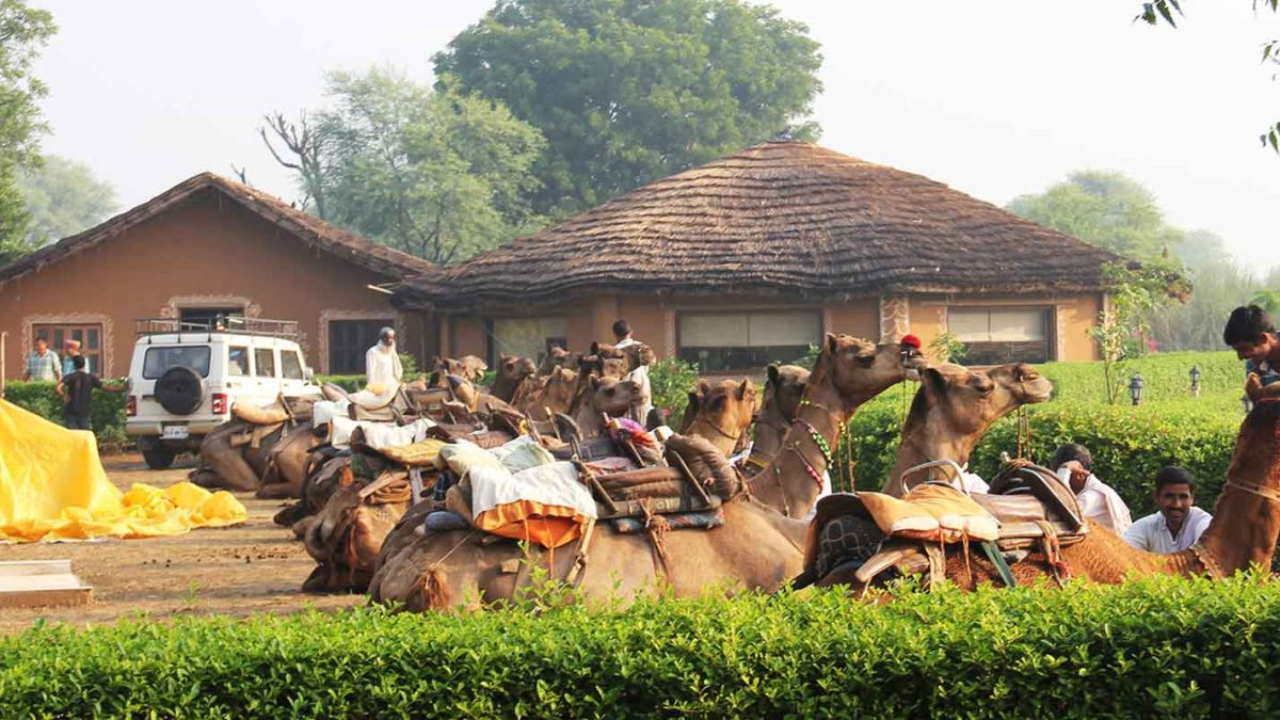
Traveling to Jawasiya Village offers an authentic look at rural Rajasthan. Traditional homes, farming fields, and local routines show a slower way of life. Conversations, homemade food, and community hospitality make the experience personal. Crafts, agriculture, and tradition highlight how deeply culture shapes daily living, offering a grounded and meaningful change of pace.
Day 7: Pushkar to Jawasiya Village
Traveling from Pushkar to Jawasiya gives you a close look at rural Rajasthan. The village pace is slow and authentic, with traditional homes, farmland, and daily routines shaping life here. Meeting locals, sharing homemade meals, and observing crafts or farming work offer a genuine connection to culture and community. The experience feels grounded, personal, and far removed from tourist routes, showing how tradition still guides everyday life in rural India.
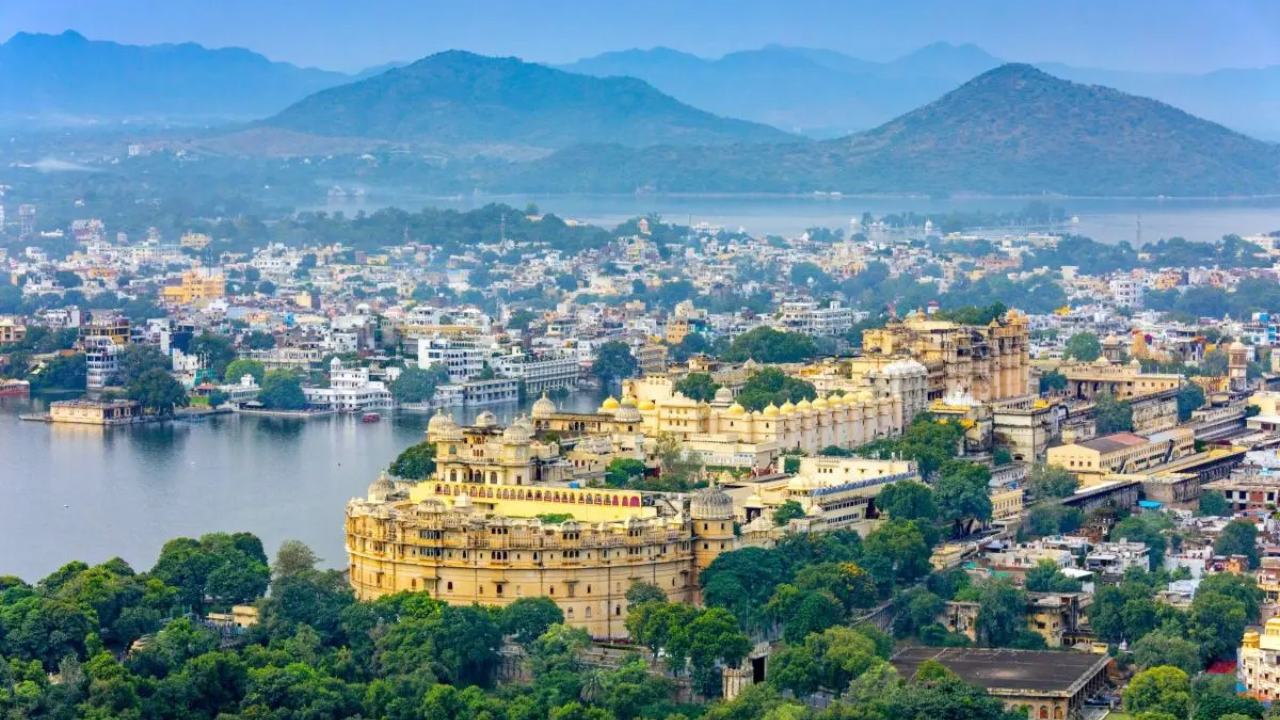
Traveling from Jawasiya to Udaipur shifts the mood from village simplicity to lakeside beauty. Over two days, palaces, ghats, workshops, and narrow streets reveal the city’s charm. Boat rides, sunset views, markets, and cafés add depth. Udaipur feels artistic, calm, and romantic, offering space to explore, slow down, and enjoy its atmosphere.
Day 8: Jawasiya Village to Udaipur
Leaving the simplicity of village life, the road toward Udaipur brings a noticeable shift in atmosphere. Lakes, palaces, and artistic spaces give the city a graceful charm. A boat ride on Lake Pichola and walks along the ghats introduce Udaipur’s calm, romantic character.
Day 9: Exploring Udaipur
With a full day in the city, you can wander narrow lanes, visit the City Palace, explore markets, and spend time in local art studios. Rooftop cafés, sunset views, and the gentle pace make Udaipur feel both inspiring and relaxing.
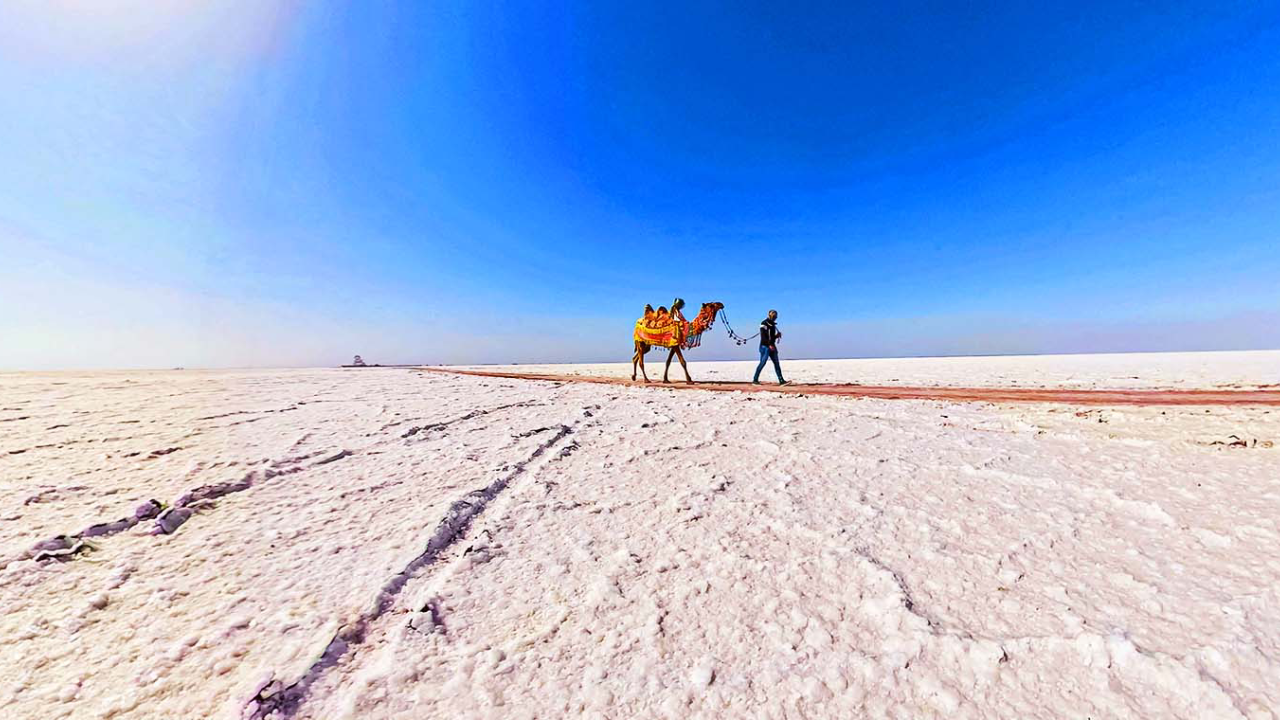
Traveling through Gujarat begins in Bajana, where the salt desert and wildlife sanctuary set a striking tone. Bhuj reveals artisan villages, museums, and strong craft traditions. Over days, embroidery, block printing, leatherwork, and pottery showcase centuries of culture. The journey moves from barren landscapes to vibrant creative communities rooted in heritage.
Day 10: Udaipur to Bajana
Leaving Rajasthan, the journey takes you into Gujarat’s Little Rann of Kutch. Bajana is known for its wide salt desert landscapes and wildlife sanctuary, where wild asses, birds, and open horizons define the environment. The area feels remote, raw, and unlike anything seen so far.
Day 11: Bajana to Bhuj
Travel deeper into Kutch as the landscape shifts from salt flats to rural settlements. Bhuj introduces a strong cultural identity rooted in craft, tradition, and resilience. Markets and museums give a first look at the region’s artistic heritage.
Day 12–13: Exploring Bhuj
Spend time visiting artisan villages to see embroidery, block printing, leatherwork, bell-making, or pottery done by hand. Each craft reflects generations of skill and storytelling. Bhuj’s mix of creative communities and changing desert landscapes makes this part of the journey immersive, meaningful, and culturally rich.
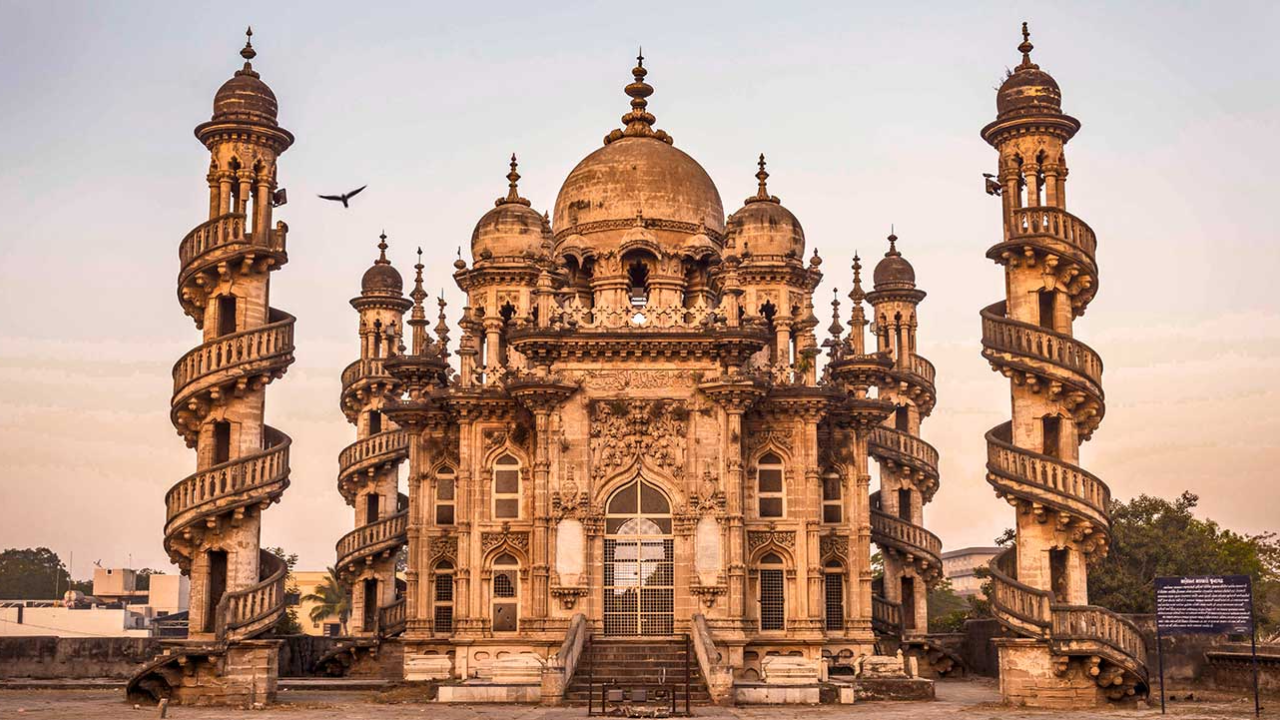
Reaching Junagadh brings greener landscapes and layered history. Over two days, Uparkot Fort, stepwells, caves, and temples reveal diverse religious influences and royal heritage. Markets and neighborhoods show culture still alive in daily life. Junagadh feels historic yet lived-in, blending monuments, sacred spaces, and local traditions into a meaningful experience.
Day 14: Bhuj to Junagadh
Traveling from Bhuj to Junagadh brings you into greener landscapes and a different cultural rhythm. The city introduces a mix of royal history, temples, and ancient sites, offering a fresh perspective on Gujarat beyond the desert and craft villages.
Day 15: Exploring Junagadh
Over the day, places like Uparkot Fort, stepwells, and ancient Buddhist caves reveal centuries of influence. Local markets, temples, and neighborhoods show how history and tradition remain part of daily life. Junagadh feels layered, lived-in, and culturally rich rather than tourist-oriented.
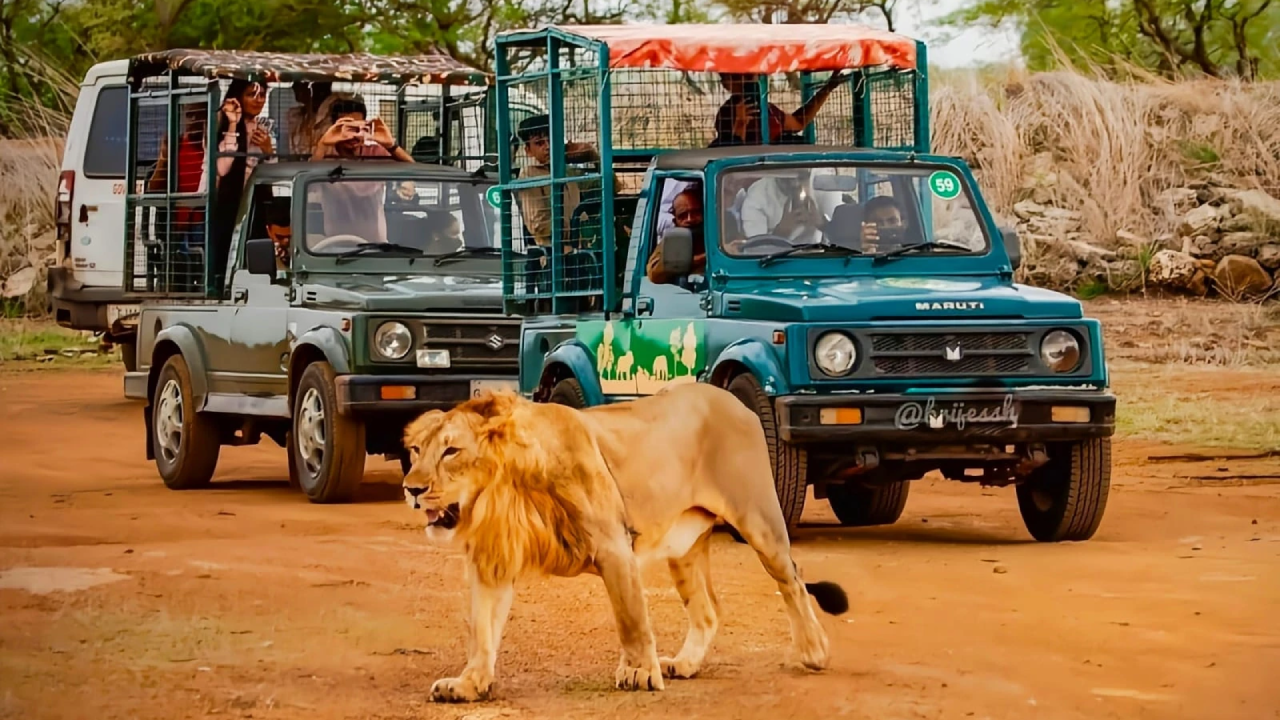
Traveling to Sasan Gir brings you into the only habitat of the Asiatic lion. Forests and grasslands create a memorable wildlife setting. Safaris reveal lions, hyenas, and birds while stressing conservation. Local communities and guides share stories of coexistence, making Gir a meaningful blend of nature, culture, and protection.
Day 16: Junagadh to Sasan Gir National Park
Traveling from Junagadh to Sasan Gir brings you into the heart of Gujarat’s wildlife territory. The landscape shifts to forests and open grasslands, setting the stage for India’s only habitat of the Asiatic lion. Safaris offer the chance to spot lions, hyenas, deer, and diverse birdlife, while local guides share stories of conservation and coexistence. Gir feels raw, natural, and meaningful—a powerful meeting point of wildlife, ecology, and regional culture.
Traveling from Sasan Gir to Diu shifts the mood from forests to calm seaside charm. Diu’s Portuguese architecture, quiet beaches, and relaxed streets create an easy pace. Over two days, coastal views, seafood traditions, and gentle island life help you unwind. It’s a soothing break between Gujarat’s wildlife experiences and upcoming urban energy.
Day 17: Sasan Gir to Diu
Leaving the forests of Gir, the road opens to coastal air and a slower rhythm. Diu welcomes you with calm beaches, Portuguese-era architecture, and a gentle island atmosphere. The old fort, quiet streets, and waterfront walks create an easy, relaxed transition from wildlife days.
Day 18: Exploring Diu
A full day in Diu lets you enjoy its peaceful charm. Visit churches, stroll along Nagoa Beach, explore the lighthouse area, or sample local seafood. The mix of ocean breeze, history, and calm surroundings makes Diu an ideal place to unwind before heading back into Gujarat’s urban and cultural energy.
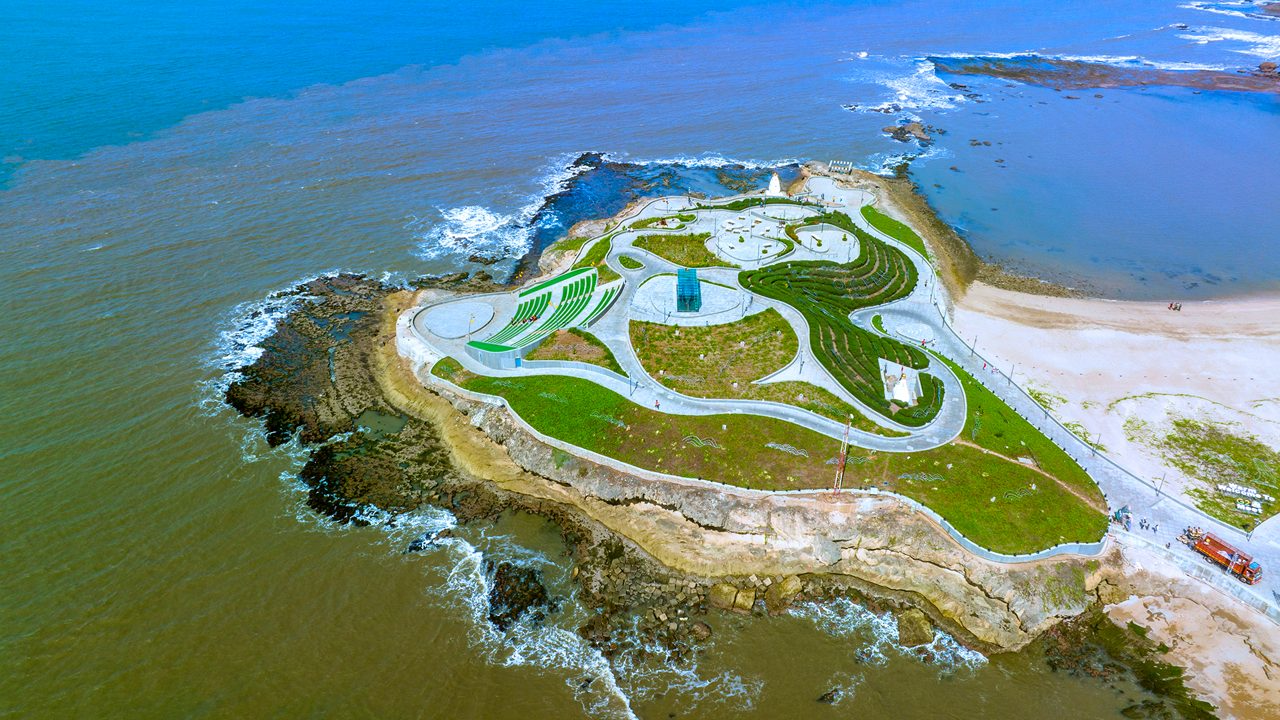
Bhavnagar blends coastal influence with traditional Gujarati life through markets, temples, and heritage spots. Traveling onward to Ahmedabad introduces busy streets, old neighborhoods, and UNESCO-listed architecture. The shift from coastal towns to a vibrant city highlights Gujarat’s diversity. Together, they offer a broader sense of the region’s cultural, economic, and historical depth.
Day 19: Bhavnagar
Bhavnagar offers a mix of coastal influence and classic Gujarati culture. Temples, busy markets, and local heritage spots give you a grounded sense of daily life. It’s a quieter city but rich in tradition, food, and community rhythm.
Day 20: Bhavnagar to Ahmedabad
Traveling onward, the scenery shifts from coastal towns to Gujarat’s biggest cultural hub. Ahmedabad greets you with UNESCO-listed heritage, bustling old-city lanes, and vibrant neighbourhoods. The transition highlights the region’s diversity—salt plains, coastline, and now a lively urban center rooted in history and craft.
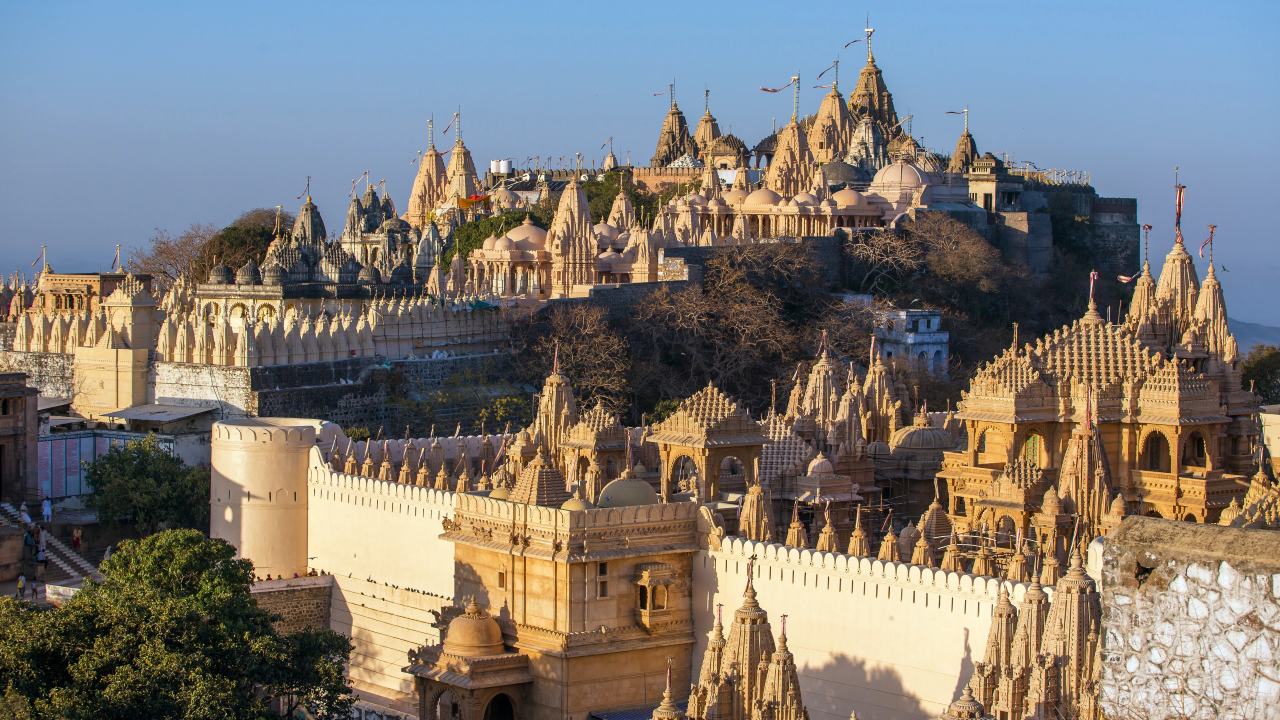
Ahmedabad blends heritage mosques, stepwells, old-city lanes, and a modern riverfront. Its textiles, food, and architecture reflect centuries of creativity and community strength. Walking through historic quarters reveals fine craftsmanship and living tradition. Busy markets, cultural spaces, and street food show why Ahmedabad remains Gujarat’s dynamic creative and commercial center.
Day 21: Ahmedabad
Ahmedabad brings together heritage, creativity, and everyday energy. The old-city lanes, historic mosques, and stepwells show centuries of craftsmanship and community life. Markets are lively with textiles and street food, while the riverfront and cultural institutions highlight the city’s modern side. It’s Gujarat’s creative and commercial heartbeat, rich in identity and tradition.
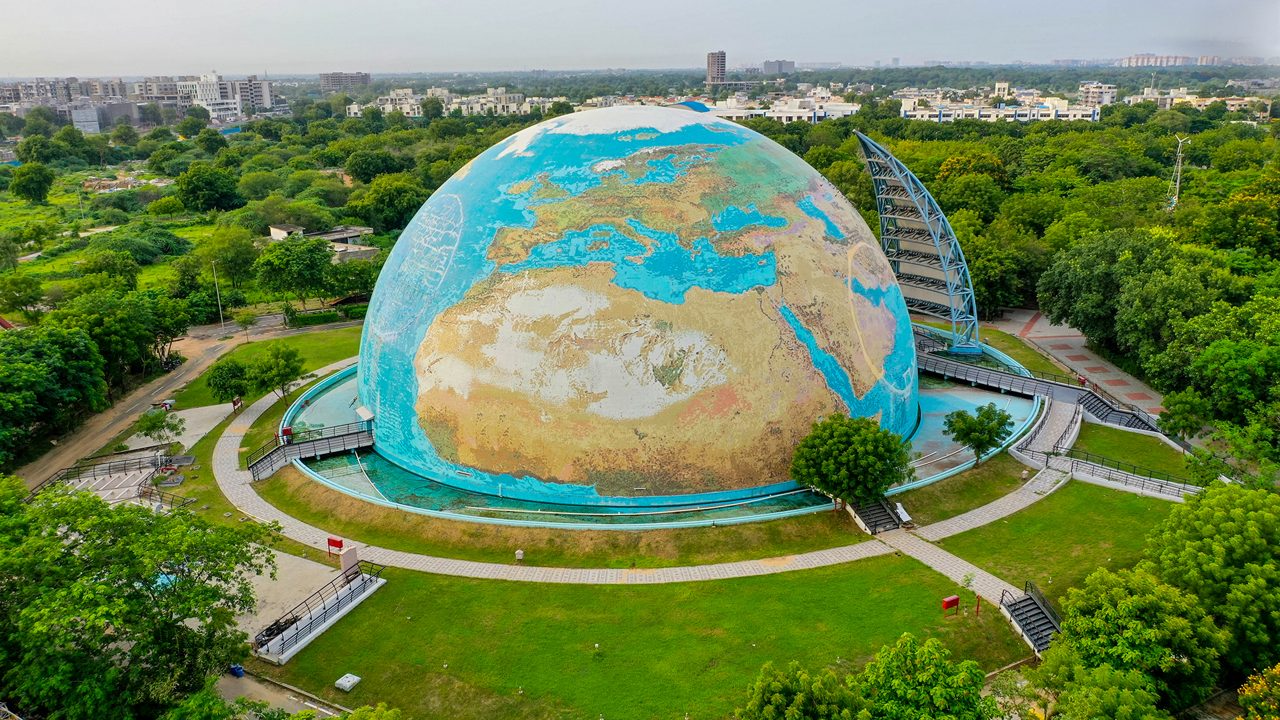
Your journey ends with a return home carrying memories of forests, deserts, coastal towns, artisan villages, historic cities, and heartfelt cultural encounters. The trip closes with reflection, gratitude, and the lasting impressions of India and Gujarat’s landscapes, people, traditions, and unforgettable moments experienced along the way. Returning home feels different—your perspective widened by experiences that stay with you long after landing.
On the road with Namaste India24:
During our trips, there's no rigid itinerary. Travel days are fixed, of course, but the program is developed locally in consultation with the group and the tour leader. The tour leader offers a program most days, and several excursions are included, but you're certainly not obligated to participate. Those who prefer to explore independently are free to do so. After all, that's the best way to get to know a country. The maximum group size for this trip is 20 people.
• Departure Dates & Prices
Choose Your Date
| Start Date | End Date | Availability | Price (€) | Notes | Action |
|---|---|---|---|---|---|
| Mar18, 2026 | Sufficient | Groups tour | |||
| Mar 22, 2026 | Guaranteed | Spring Departure | |||
| Jul 9, 2026 | Sufficient | Summer Departure | |||
| Sufficient | |||||
• Why Us
Choose this trip because
- It’s a well-reviewed journey that many travellers have already experienced
- Comfortable hotel stays are included throughout the trip
- The tour is personally led by an experienced, award-winning tour leader
- Pricing is clear and fair, with no hidden costs
- You travel through both Rajasthan and Gujarat at a relaxed, well-balanced pace
- The route combines well-known cities with quieter cultural regions
- Experience the desert landscapes and traditional lifestyle of the Kutch region
- Spend time in Bhuj to explore local crafts, history, and everyday culture
- Visit Sasan Gir for a chance to see the Asiatic lion in its natural habitat
- Enjoy a peaceful coastal break in Diu with beaches and Portuguese-era charm
- Ahmedabad offers museums, markets, and a deep sense of heritage
- Small group travel keeps the journey personal and flexible
• What’s Included
Inclusive
- International flights including checked baggage
- All transport with an air-conditioned (mini) bus
- Train journey from Delhi to Sawai Madhopur (Ranthambore)
- Hotel stays on a bed and breakfast basis
- Full board in Ranthambore (excluding drinks)
- Full board in Bajana (excluding drinks)
- Full board in Sasan Gir (excluding drinks)
- Two game drives in Ranthambore NP
- Two game drives in Sasan Gir NP
- Bajana morning safari (excluding entrance fee)
- Visit Ranakpur, Patan, Modhera, Palitana and Lothal (excluding entrance fee)
- Excursion ‘tribal villages’ Rann of Kutch
- Entrance fee for Ranthambore NP and Sasan Gir NP
- Local English-speaking tour guide
- Airport taxes
- Fuel tax
- Jawasiya village home stay full board
• Not Included
Exclusive
- Meals
- Entrance fees and camera fees
- Optional excursion and activities
- All kinds of insurance, Travel insurance and personal medical coverage
- Personal expenses (drinks, laundry, souvenirs, etc.)
- Tips & gratuities (tip fund recommended 80-euro p/p, including all kinds of tips acceptance by the tour leader)
- Booking fees 25 euros p/p
Extra
- Pocket money: €750 p/ per trip
- Single room from: €500
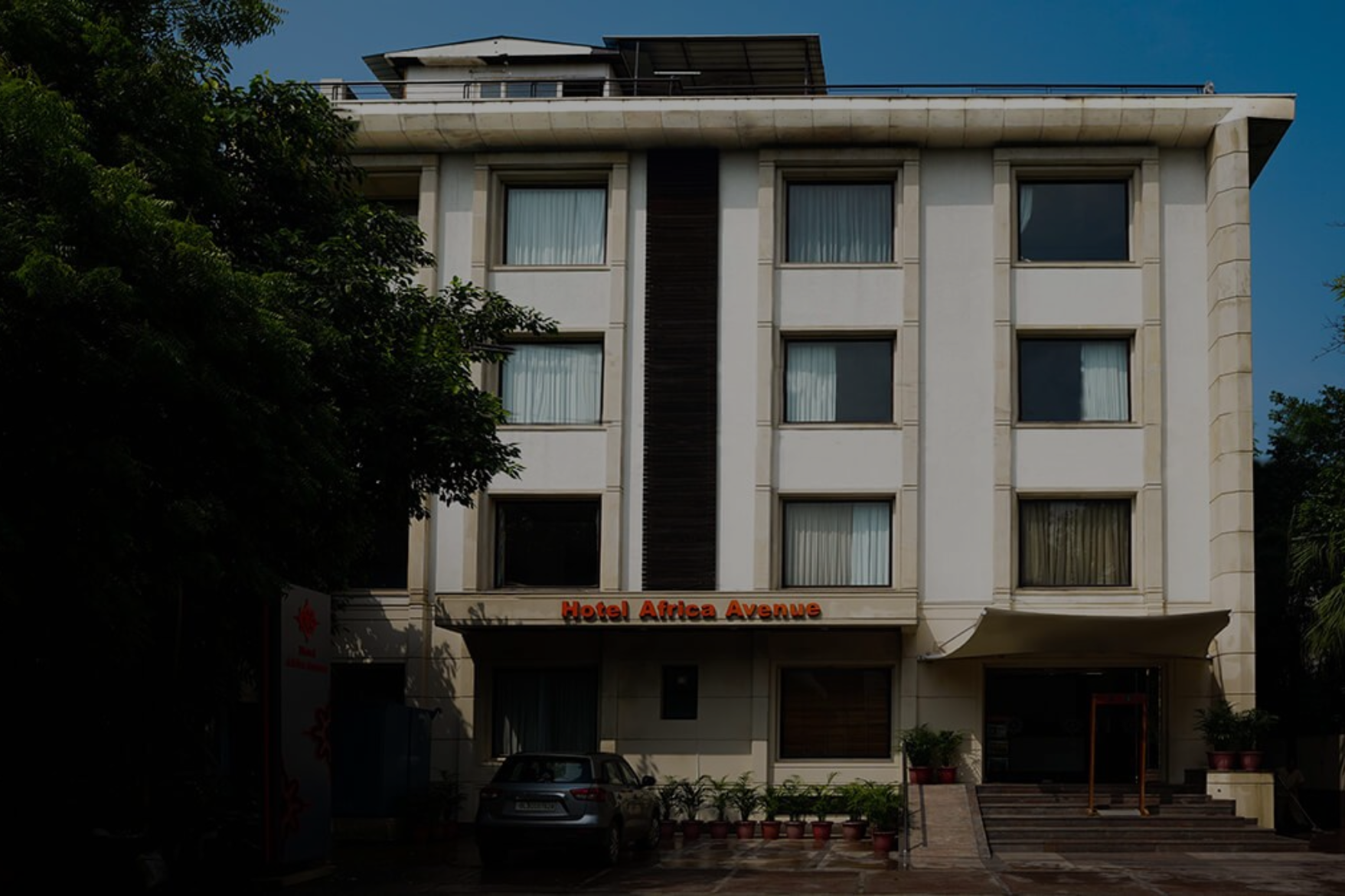
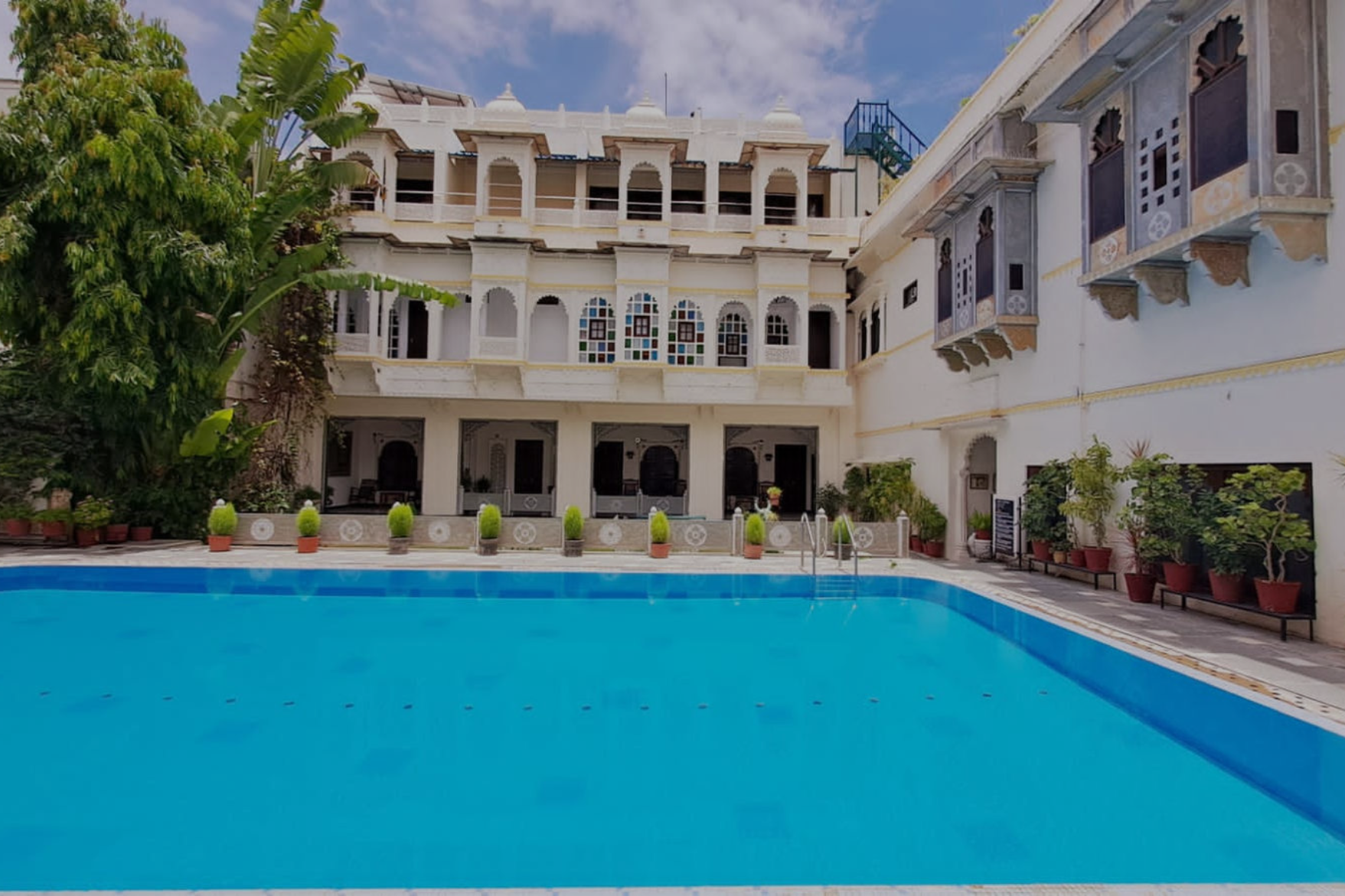
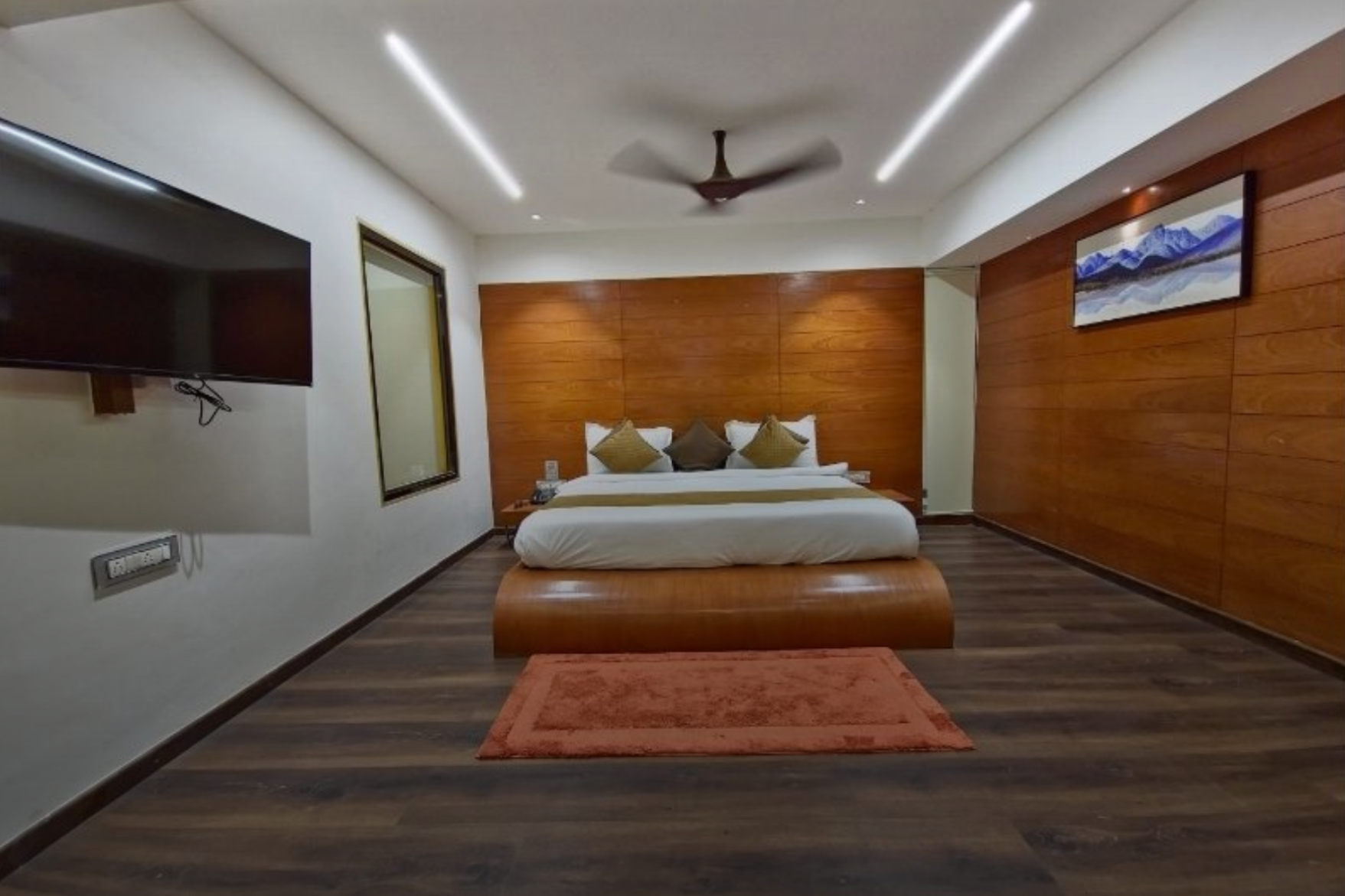
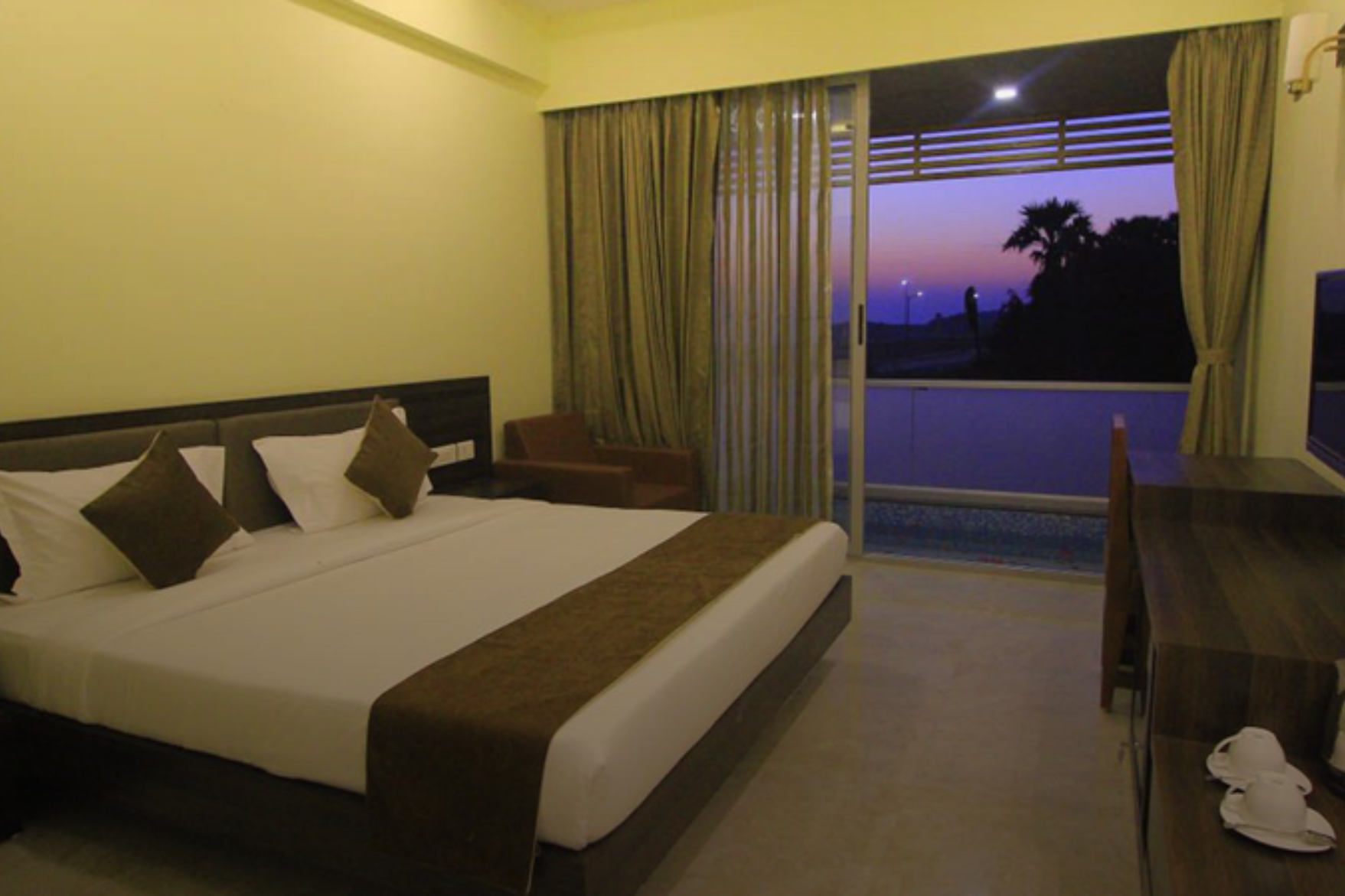
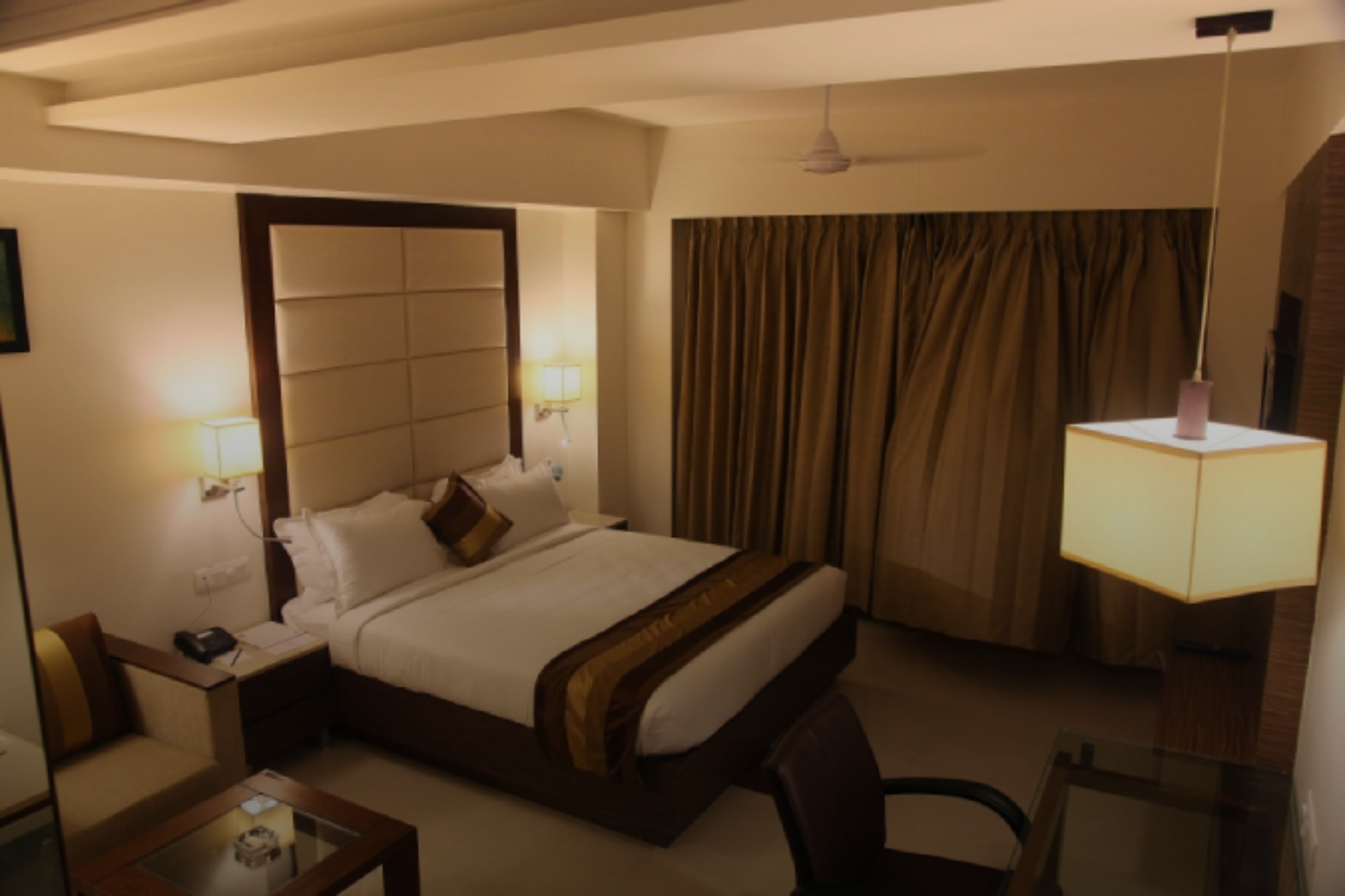
• Accommodation
Handpicked Hotels & Heritage Stays
Comfortable stays in cities and palaces — including a night in an 18th-century palace in Poshina and nature lodges near wildlife reserves.
• Travel Documents & Money
Before You Go
- Passport valid 6+ months
- India e-Tourist Visa required (~US$25)
- Currency: Indian Rupee (INR)
- Recommended budget: ~€250 per week for meals & entrance fees
- Suggested tip fund: €80 pp
• Seasons & Climate
Best Time to Travel
- Best: Oct–Mar — pleasant weather across Gujarat
- Summer: Dry heat, especially in Kutch
- Monsoon: Green landscapes but some road delays
• FAQs
Frequently Asked Questions
Useful information to help you prepare for your India & Nepal journey with confidence.